
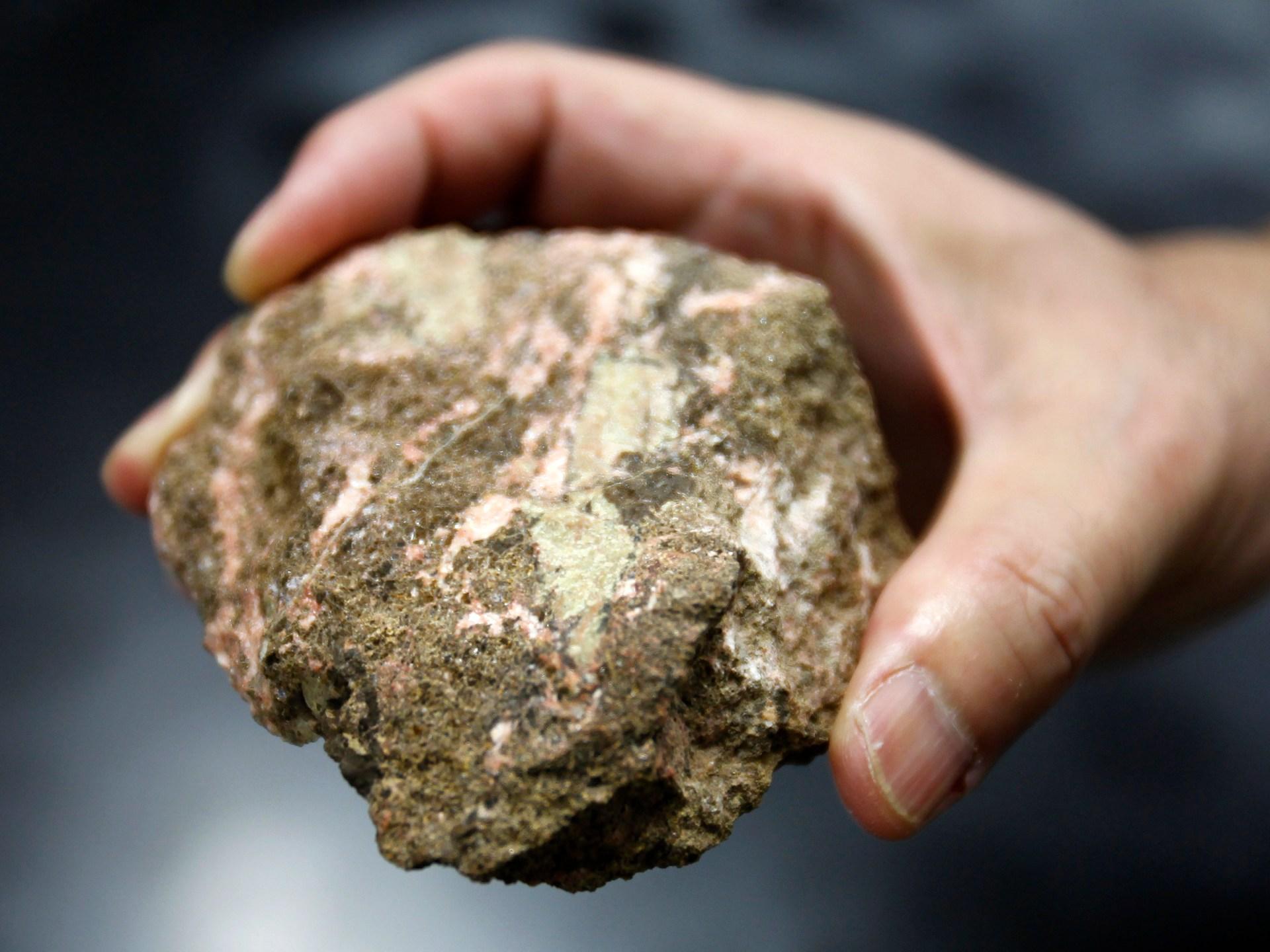
$400m rare-earth and critical minerals processing plant in Nasarawa State
In the quiet town of Uke, nestled deep in Nasarawa State’s Karu Local Government Area, a seismic shift is in the offing, one that could very well redefine Africa’s place in the race for technological supremacy. Just days ago, on November 20, 2025, Governor Abdullahi Sule broke ground on a $400 million rare-earth and critical minerals processing plant, spearheaded by Hasetins Commodities Limited.
Largest of its kind on the continent
This ambitious facility, poised to become the largest of its kind on the continent, isn’t just another industrial project; it is a bold declaration of intent by Nigeria to leapfrog from raw resource exporter to refined powerhouse. It will be processing up to 18,000 metric tonnes annually of vital elements like rare earths, tungsten, tin, coltan, and tantalum upon its full functionality.
At its core, the plant is a hybrid marvel of high-purity processing technology, intended to extract and purify vital materials from the earth for everything, including electric vehicle batteries and renewable energy systems through to advanced electronics and defense applications. Starting with an initial capacity of 6,000 tonnes per year, it would scale up in phases while integrating artisanal miners into its supply chain to ensure sustainable beneficiation.

Skills transfer through training programs for local engineers
Additionally, it would ensure skills transfer through training programs for local engineers, geologists, and metallurgists. Supported by the Federal Government, with the Minister of Solid Minerals Development Dele Alake leading the charge as one of the cornerstones of President Bola Tinubu’s value-addition mandate, the project will create more than 10,000 jobs, revving the economy of Nasarawa and positioning Nigeria as a linchpin in the global critical minerals market, where demand is surging amid the green energy transition.
What makes this more than infrastructure is its ripple effect: by keeping value addition onshore, Nigeria sheds the shackles of commodity dependence, potentially unlocking downstream industries like magnet manufacturing and battery production that could add billions to the nation’s GDP. In 2023 alone, Nigeria’s solid minerals sector churned out over 108 million metric tonnes valued at nearly $49 billion, yet much of that wealth evaporated through unprocessed exports— a cycle this plant aims to shatter.
Significance for Africa
To Africa, it’s a recipe for self-reliance, showing how targeted investments in sustainable tech can attract foreign direct capital while putting community buy-in, environmental safeguards like land reclamation, and safe chemical protocols first. For brands looking toward the next frontier of impact and innovation, this signals an unparalleled scale of transformation. Whether in clean energy, advanced manufacturing, or supply chain logistics, engaging here unlocks a nexus of opportunity-from strategic partnerships with Hasetins to co-developing eco-friendly extraction methods, or even piloting EV component prototyping on-site.
In a world where rare earths underpin 80% of high-tech devices, aligning with this venture isn’t just good business; it’s a stake in Africa’s ascent-a future your brand can help architect as resilient as it is revolutionary. The ground has been broken-will you help build what’s next?