Nigeria’s Merchandise Trade increases by 2.20% in 4th Qtr of 2024
The Foreign Trade in Goods Statistics report released by the National Bureau of Statistics for the fourth quarter of 2024 shows that Nigeria recorded a 2.20% increase in total Merchandise trade from ₦35.82 trillion in the third quarter of 2024 to ₦36.60 trillion in Q4 2024.
While exports account for a large share of Nigeria’s trade in Q4, the QoQ increase was driven by imports. Exports accounted for 54.68% of total trade, amounting to ₦20.01 trillion. However, it decreased by 2.55% from ₦20.54 trillion recorded in the previous quarter.
Conversely, imports accounted for 45.32% of total trade, valued at ₦16.59 trillion. It rose by 8.57% from ₦15.28 trillion in Q3 2024. Nigeria’s export trade continues to be dominated by crude oil, which was valued at ₦13.78 trillion and contributed 68.87% of total exports. Despite maintaining a trade surplus, Nigeria’s trade balance declined significantly.
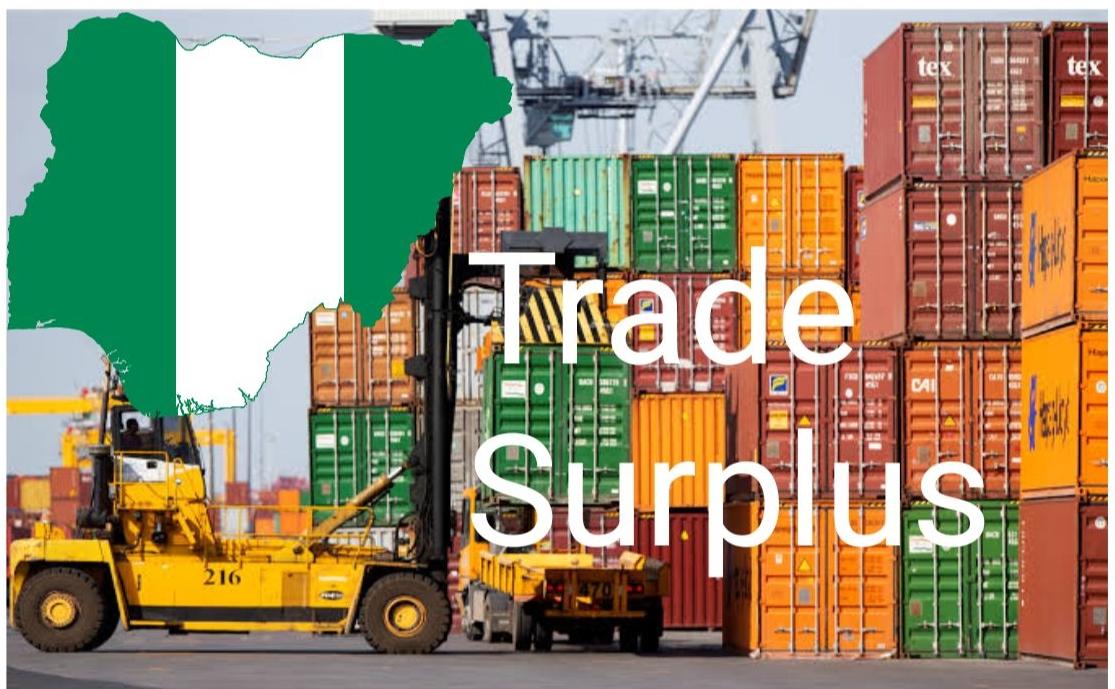
The surplus for the quarter stood at ₦3.42 trillion, a 34.9% fall from the previous quarter. This decline is attributed to a continued rise in imports and a marginal drop in export earnings. If sustained, the decline in trade surplus could weaken Nigeria’s current account position and exert downward pressure on the naira. Nigeria’s total exports are susceptible to movements in oil prices.
A diversified export base is essential to insulate the country from disruption in the global oil markets. Hence, there is a need for the government to significantly incentivise non-oil sectors, particularly manufacturing and solid minerals, through targeted tax breaks, export grants, and value-chain development.
Furthermore, enhancing trade facilitation through port decongestion, improved logistics, digitized customs procedures, and reliable transport infrastructure will lower trade costs and improve export competitiveness. These measures are essential to increase the share of non-oil exports and have a diversified export base. Source: CSEA Africa