
Nigeria’s Oil Production: OPEC Report Reveals Decline and The Solutions for Growth
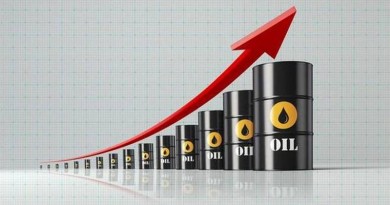
The Organisation of the Petroleum Exporting Countries (OPEC) September Monthly Oil Market report highlights a decline in Nigeria’s oil production 2025, showing ongoing challenges in the country’s crude oil sector. According to direct communication, Nigeria’s average daily crude oil output fell by 4.8%, dropping 73,000 barrels per day (bpd) from 1.507 million bpd in July to 1.434 million bpd in August 2025. This reduction underscores the structural and operational obstacles affecting oil revenue and the Nigeria economy.
Production Shortfalls and Economic Impacts on Nigeria
Nigeria’s oil production was 4.4% below OPEC’s quota of 1.5 million bpd and 30.3% below the national target of 2.06 million bpd. These shortfalls demonstrate that the oil sector challenges in Nigeria could significantly reduce earnings from crude exports.
Lower oil revenue may constrain government funding for infrastructure, healthcare, and social services, increase fiscal pressures, and heighten dependence on borrowing. In turn, this could weaken foreign exchange inflows, disrupt the national budget, and limit capital for key economic development projects.
Internal linking suggestion: Link the term foreign exchange inflows to a relevant article or page about Nigeria’s foreign reserves or forex market.
Key Challenges Affecting Nigeria’s Oil Sector
Several factors contribute to the slowdown in crude oil production in Nigeria. Aging infrastructure, limited refining capacity, and operational inefficiencies restrict output. Security threats in oil-producing regions, including pipeline vandalism, theft, and militant attacks, further disrupt production and reduce oil revenue.
Additionally, regulatory bottlenecks and inconsistent policies hinder private sector investment and modernization of oil facilities. These combined challenges prevent Nigeria from achieving its OPEC targets and maximizing its oil revenue potential.
Internal linking suggestion: Link pipeline vandalism or oil-producing regions to reports or resources discussing security challenges in Nigeria’s Niger Delta.
Strategies to Boost Oil Output and Revenue
Addressing these challenges requires targeted interventions. Attracting domestic and foreign investment to rehabilitate and expand refining and production capacity is essential for meeting OPEC quotas and boosting output. Strengthening security measures in oil-producing areas will help mitigate theft, sabotage, and operational disruptions.
Encouraging private sector participation while maintaining strong regulatory oversight can enhance efficiency and stabilize production levels. Furthermore, investing in modern technologies, promoting public-private partnerships, and incentivizing local production of oil infrastructure components will improve productivity, ensure sustainable growth, and increase oil export earnings.
By implementing these solutions, Nigeria can increase crude oil output, strengthen fiscal capacity, enhance foreign exchange inflows, and support overall growth in the Nigeria economy in 2025.