Polio to be eradicated in Nigeria by 2030
Nigeria, working closely with the World Health Organization (WHO) and partners under the Global Polio Eradication Initiative (GPEI), is intensifying its drive to end all forms of poliovirus by 2030. Through coordinated efforts led by the Federal Ministry of Health and Social Welfare (FMOH) and the National Primary Health Care Development Agency (NPHCDA), the country continues to invest in surveillance systems, routine immunisation, and supplementary vaccination activities that ensure no community is left behind.
The 2025 Measles–Rubella and Polio Vaccination Campaign represents one of the most ambitious health initiatives ever undertaken in Africa. With a target of immunising over 106 million children across Nigeria, the campaign reaffirms the nation’s leadership and commitment to protecting every child from preventable diseases and achieving a polio-free future.
Renewed Global Commitment on World Polio Day
Every year, on October 24, World Polio Day brings the global community together to reaffirm its dedication to ending poliomyelitis—a disease that once caused paralysis and death in thousands of children worldwide. Although Nigeria successfully eradicated wild poliovirus in 2020, challenges remain in eliminating circulating variant poliovirus type 2 (cVPV2), which still exists in some regions.
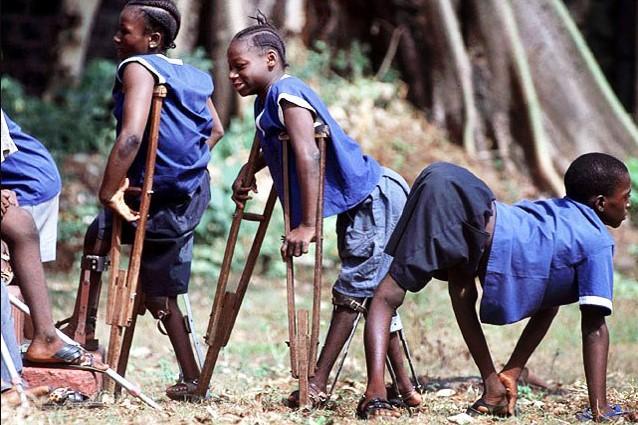
The personal stories of survivors such as Hassana Mohammed Bunur and Bukar Modu from Borno State serve as powerful reminders of what is at stake. Hassana, who contracted polio as a toddler, now uses a wheelchair but dedicates her time to championing vaccination in her community. Bukar, now 45, reflects on the importance of immunisation: “Had I been vaccinated, my life would be very different. But I can use my voice to protect others.” Their voices underscore the power of advocacy and the human side of the fight against polio.
Progress and Leadership in Eradication Efforts
Under the direction of the Federal Government, Nigeria has continued to sustain momentum in the fight against polio. Vaccination campaigns are now integrated with broader health initiatives, improving efficiency and coverage. Surveillance data show tangible progress: as of October 2024, 112 cases of cVPV2 were reported across 15 states, while by the same period in 2025, only 66 cases had been recorded across 44 local government areas in 12 states—a 41% reduction, signalling success in interrupting transmission chains.
Partnerships and Collective Support
The WHO, together with national and international partners such as Rotary International, UNICEF, the Gates Foundation, and the Chigari Foundation, continues to provide vital technical, logistical, and operational support. Their assistance includes training health workers, strengthening surveillance systems, and improving vaccine delivery to remote communities. Through data review mechanisms, vaccination teams are redeployed to missed settlements, and targeted mop-up campaigns ensure no child is left unvaccinated. These collaborations exemplify the collective will driving Nigeria’s success story.
Community Engagement and State-Level Action
Across Nigeria, World Polio Day 2025 was marked by renewed advocacy and outreach. In Taraba State, the Commissioner of Health, Dr. Buma Bordiya, reaffirmed the state’s dedication, stating, “We renew our collective commitment to reach every child, with every vaccine, everywhere—until polio is gone for good.” Over 2.3 million children in Taraba alone received at least one polio vaccine dose during the April and June Supplementary Immunisation Activities (SIAs).
In Gombe State, partners including the National Youth Service Corps (NYSC) and Rotary organized a 3 km awareness walk to promote vaccination. Ebonyi State’s Commissioner of Health expressed gratitude to the federal government and partners for their unwavering support. Meanwhile, in Kano, more than 500 participants—including traditional leaders, health workers, and polio survivors—gathered to commemorate the day. The Chairman of the Polio Survivors Association called for continuous advocacy and the inclusion of survivors in outreach programmes. Similar events across Kwara, Kebbi, Kaduna, and Zamfara reinforced the nation’s united front against polio.
A Vision for a Polio-Free Nigeria
For survivors like Hassana and Bukar, the fight against polio remains personal. Their resilience represents the spirit of millions of Nigerians who believe in the power of vaccination. As Bukar notes, “Polio is still a threat, but vaccines save lives.”
Reaffirming the WHO’s ongoing partnership, Dr. Kofi Boateng, the Polio Eradication Programme Cluster Lead, emphasized: “The only reason poliovirus continues to circulate is because some children remain unvaccinated. The vaccine is safe and effective, and every child must be protected.”
Staying the Course
Nigeria’s sustained government leadership, community engagement, and partner collaboration continue to drive progress toward a future free of poliovirus. With determination and coordination, the country is firmly on track to achieve complete eradication by 2030. To get there, continued participation from caregivers, health workers, and community leaders remains essential. Every vaccine administered brings Nigeria—and the world—one step closer to ending polio for good.