
The Epstein Files: What you must know as files are set for full release
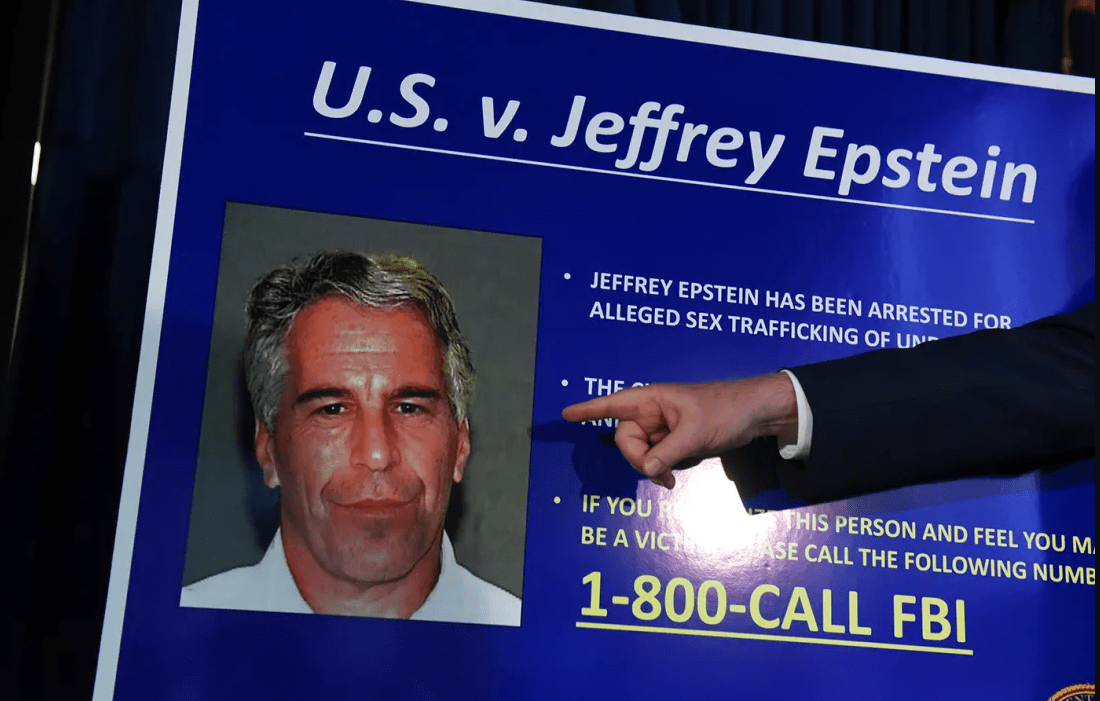
The story of Jeffrey Epstein, the financier and convicted sex offender whose network of influence embroiled some of the world’s most powerful figures, serves as one of the most scrutinized chapters in modern criminal history: The Epstein File. Colloquially described, the “Epstein files” represent an extensive resource of court documents, investigative records, emails, and physical evidence compiled over decades by federal prosecutors, the FBI, and civil litigants. These materials, which originated with Epstein’s 2008 Florida plea deal, his 2019 federal sex-trafficking indictment, the 2021 criminal trial of his associate Ghislaine Maxwell, and subsequent civil suits, paint a picture of a systematic operation to groom, traffic, and abuse underage girls.
As of November 2025, the unfolding of the files continues as a result of legislative mandates and judicial orders related to demands for transparency amidst ongoing conspiracy theories. What appears next is based on publicly available materials and outlines some of the key facts and allegations-relevant here-and the wider ramifications, without speculation or unverified claims.
Jeffrey Epstein’s criminal enterprise
Epstein’s criminal enterprise, which prosecutors described as spanning from at least 1994 to 2004 and beyond, relied on deceit, coercion, and the exploitation of vulnerable young women and girls, some as young as 14. According to trial evidence from Maxwell’s 2021 case in the Southern District of New York, Epstein and his co-conspirators targeted minors largely from disadvantaged backgrounds, often promising them educational opportunities, modeling gigs, or financial aid. Victims were wooed with gifts, shopping trips, and promises of mentorship, only to be groomed into performing sexual acts under the guise of “massages.” Maxwell, Epstein’s longtime companion and a British socialite, played an integral role in befriending the girls to normalize the abuse and acclimatizing them to Epstein’s behavior by being present during encounters.
Federal prosecutors emphasized in their sentencing memo that Maxwell’s role was indispensable: “Epstein could not have committed these crimes without her,” as she facilitated the recruitment and transportation of victims across state lines to Epstein’s properties in New York, Florida, New Mexico, and the US Virgin Islands. In December 2021, a jury convicted Maxwell on five of six counts, including sex trafficking of a minor, leading to her 20-year prison sentence in June 2022. During the trial, four victims testified pseudonymously-“Jane,” “Kate,” Carolyn, and Annie Farmer-detailing how Maxwell and Epstein paid them hundreds of dollars per encounter and pressured them to recruit others, creating a pyramid-like scheme that ensnared more than 100 known victims.
A centerpiece of the operation was Epstein’s private island, Little Saint James, a 72-acre estate in the U.S. Virgin Islands that he bought in 1998 for $7.95 million through a shell company, L.S.J. LLC, of which he was the sole member. Referred to by locals as “Orgy Island” or “Pedophile Island,” the isolated property—only accessible by helicopter or by private boat—was at the center of the alleged abuses, cloaked from scrutiny. A 2020 civil lawsuit filed by the U.S. Virgin Islands attorney general alleged that Epstein used the island to “hold captive underage girls” as recently as 2018, citing evidence of a computerized database tracking women and girls, some as young as 11, who were ferried there via helicopters spotted by air traffic controllers carrying girls who appeared to be underage. Victims’ accounts in court filings describe a controlled environment in which Epstein restricted communication and transportation, ensuring isolation.
One 15-year-old survivor described how she had tried to flee by swimming away, but Epstein’s staff recaptured her. Physical evidence seized by the FBI in July and August 2019 included a CD labeled “girl pics nude book 4,” a folder titled “LSJ logbook” documenting island activities, hard drives, security tapes, and photo albums, according to a three-page “Evidence List” released by the Department of Justice in February 2025. Location data from a 2024 data broker leak further mapped visitor movements onto the island to the dock and villas as late as 2016, years after Epstein’s 2008 conviction as a sex offender, although those coordinates suggest visitors’ residences rather than direct evidence of criminal activity.

Unsealing of almost 2,000 pages
Interest in the files reached new heights after U.S. District Judge Loretta Preska ordered the unsealing of almost 2,000 pages from Giuffre’s 2015 defamation lawsuit against Maxwell in December 2023 and released them in batches from January 4, 2024. Giuffre, one of Epstein’s most outspoken accusers who alleged she was trafficked as a minor and forced to have sex with powerful men, settled her lawsuit with Maxwell in 2017, but the documents – depositions, emails and motions – revealed a sprawling network of Epstein’s contacts. While the inclusion of a name carries no implication of guilt, the records cast light on Epstein’s rarefied social orbit: politicians, celebrities and tycoons who flew on his private jet, the “Lolita Express,” or visited his homes. Former President Bill Clinton is named more than 50 times, often in Giuffre’s testimony about Epstein boasting of their friendship; she recounted Epstein said Clinton “likes them young,” referring to girls, though no misconduct accusations were made against him. Clinton’s representatives have stated he severed ties with Epstein in 2005 and had no knowledge of his crimes.
Also to appear is former President Donald Trump, in flight logs and depositions; Giuffre testified Epstein name-dropped him; Trump acknowledged the two were acquainted but said they fell out around 2004, long before Epstein’s rearrest. Others to appear include Prince Andrew-who Giuffre alleges assaulted her sexually, a claim he settled out of court in 2022 for an undisclosed sum and denied wrongdoing; magician David Copperfield-who is mentioned in a deposition about how Epstein approached models for sex; singer Michael Jackson-who was spotted at Epstein’s Palm Beach home but never accused of wrongdoing; and physicist Stephen Hawking-who was mentioned in an email in which Epstein offered a reward for anyone who could disprove the unsubstantiated allegation that he participated in an “underage orgy.” Business magnates such as Les Wexner, Epstein’s longtime client and founder of Victoria’s Secret, and hedge fund billionaire Glenn Dubin also feature, with Giuffre testifying she was instructed to have sex with Dubin-a claim his representatives deny.
Financial and investigative dimensions
Subsequent releases have layered on financial and investigative dimensions: unsealed JPMorgan Chase records last October revealed over $1 billion in suspicious transactions flagged after Epstein’s 2019 death, including payments to associates and links to figures like Apollo Global’s Leon Black and former Barclays CEO Jes Staley, who paid Epstein $158 million for advisory services post-conviction. According to a July 2025 Justice Department memo, the FBI’s databases house more than 300 gigabytes of data, encompassing hard drives and physical items. Of course, there has been no sprawling “client list” materialized-Maxwell herself told Deputy Attorney General Todd Blanche in an interview last August that “there’s no list. There never was a list.” Federal officials likewise have claimed there is no client list, though rumors persist. Epstein himself invoked the Fifth Amendment more than 500 times in a 2016 deposition in which he refused to answer any questions about Maxwell or his activities.
The trajectory of these disclosures has been shaped by legal battles and political pressures. Epstein’s lenient 2008 Florida plea deal, negotiated by then-U.S. Attorney Alexander Acosta, granted him and unnamed co-conspirators immunity—a provision Maxwell’s lawyers cited in her failed 2025 Supreme Court appeal, arguing it shielded her from prosecution. Appeals courts remain split on whether such deals bind the entire Justice Department, a divide the government has acknowledged but urged the high court to sidestep in Maxwell’s case. Grand jury transcripts from Epstein and Maxwell probes, sought by the DOJ in 2025, were denied by judges in New York and Florida, who ruled they offered no new insights and primarily featured FBI agent testimony. Maxwell’s perjury charges were dropped post-conviction, but prosecutors highlighted her “significant pattern of dishonest conduct,” including lies about her assets and role in the abuse.

The House Votes to release the files – the Epstein Files Transparency Act
The latest chapter unfolded in November 2025, when bipartisan legislation—the Epstein Files Transparency Act—passed the House 427-1 and Senate unanimously, compelling the Justice Department to release all remaining records within 30 days. President Trump signed it on Nov. 19, touting it as a means to expose “truth about certain Democrats,” despite his own past ties to Epstein. Attorney General Pam Bondi has overseen phased declassifications, beginning with the release in February 2025 of a “first phase” that included pilot logs and Epstein’s infamous “black book” of contacts, followed by over 20,000 pages from Epstein’s estate being made public by the House Oversight Committee in September and November. Emails referenced Trump positively, including Epstein calling him “the dog that hasn’t barked”; interactions with figures like Steve Bannon and former Treasury Secretary Larry Summers also surfaced, and each expressed regret at post-conviction contacts. The black book entries included celebrities like Alec Baldwin, Naomi Campbell, and Mick Jagger, though none faced allegations. Victims’ advocates, including attorney Brittany Henderson, representing dozens of survivors, called the process incomplete, with heavy redactions to protect identities and an absence of child abuse material.
What must be gleaned from these documents is their twin legacies: an indictment of elite impunity and the resilience of victims. Epstein’s 2019 suicide in a Manhattan jail—ruled a homicide by some pathologists but officially suicide—halted his trial, but it spurred Maxwell’s prosecution and civil settlements exceeding $100 million from his estate. Ongoing suits, like the U.S. Virgin Islands’ against JPMorgan, settled for $75 million in 2023, underline institutional complicity. Yet, as Bondi affirmed in her February release, “This Department of Justice is following through on President Trump’s commitment to transparency,” while redacting to safeguard survivors. The files do not clear the names mentioned therein nor implicate the innocent; they shed light on a network built upon power imbalances, wherein Epstein’s wealth—built off murky finance and relationships with donors such as Wexner—allowed the practice of predation. As more pages emerged by mid-December 2025, they reinforced a sobering fact: justice for Epstein’s victims requires not only disclosure but systemic reform to prevent such shadows from forming again.