
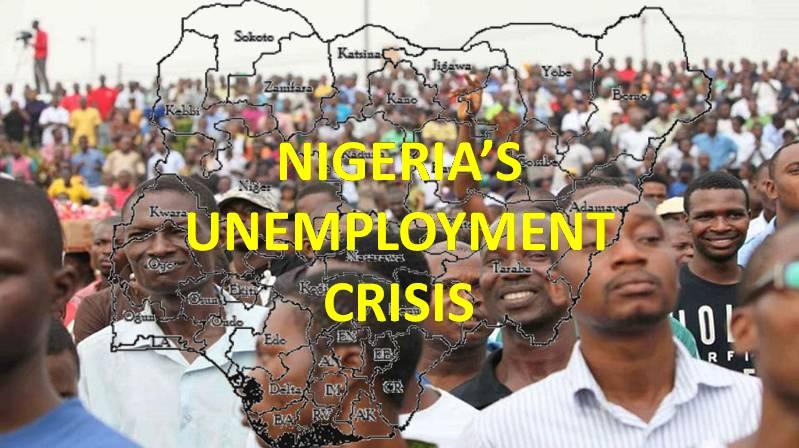
Why Nigeria ranks highest in severe employment challenges in Africa
According to the October 2025 edition of the World Bank’s Africa’s Pulse report, which explores job creation pathways across Africa (available at https://www.worldbank.org/en/publication/africas-pulse), Nigeria faces the continent’s most severe employment challenges. The report highlights a stark disparity: just one in six workers in Sub-Saharan Africa secures a wage-paying job, in contrast to one in two in high-income nations.
In Nigeria, 98 million people grapple with employment difficulties
The region’s labour force is projected to swell by over 620 million people between 2025 and 2050, yet economic growth offers limited relief. A 1 percentage point increase in GDP growth translates to a mere 0.04 percentage point rise in wage employment, underscoring the region’s struggle to convert economic gains into formal jobs. In Nigeria, 98 million people grapple with employment difficulties, far surpassing the 72 million in the Democratic Republic of Congo, 67 million in Ethiopia, and 40 million in Tanzania. Persistent underemployment and a heavy reliance on informal work in Nigeria stem from constrained business expansion, widespread self-employment, and weak bargaining power for workers.
How Nigeria can combat the severe unemployment challenges
While Africa’s economic outlook remains optimistic, the report stresses that growth lacks inclusivity. To harness Nigeria’s burgeoning youth population, policymakers must focus on transformative measures. Investments in education and skills training are critical to boosting productivity, alongside improvements in infrastructure and access to financing. By fostering conditions for sustainable business growth, Nigeria can create robust job opportunities, ensuring that economic progress uplifts a wider share of its population.