139 million Nigerians are living in poverty
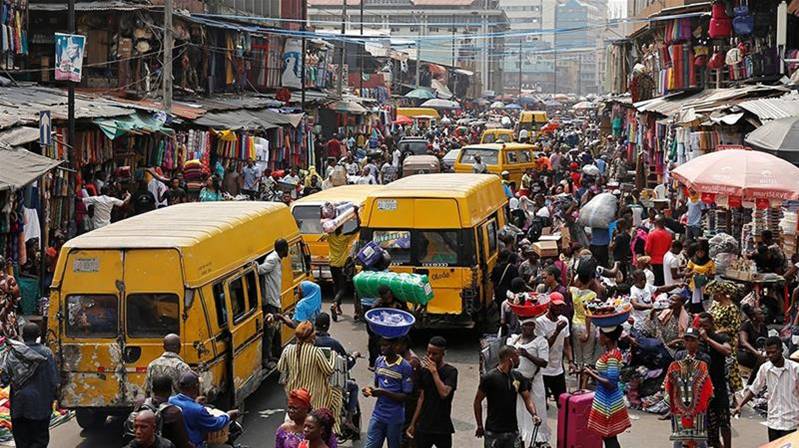
The World Bank’s October 2025 Nigeria Development Update (NDU) paints a sobering picture of the nation’s socioeconomic conditions stating that 139 million Nigerians are living in poverty, revealing that Nigerians have become significantly poorer in real terms over the past four years. According to the report, average consumption in the country fell by 6.7% between 2019 and 2023, with the sharpest declines recorded in urban areas, where inflation and the rising cost of living have eroded purchasing power the most.
Even more alarming is the surge in extreme deprivation. The NDU disclosed that the percentage of Nigerians who cannot meet the minimum healthy caloric requirement—even if they spend their entire income on food—has nearly doubled, climbing from 14% in 2019 to 27% in 2023. In absolute terms, that translates to roughly 139 million people living in what the World Bank categorizes as “ultra-poverty”. This means that a growing share of the population is unable to afford even basic nutrition, underscoring the depth of the crisis facing Africa’s most populous nation.
The report attributes much of the current hardship to necessary but painful reforms implemented by the Federal Government, including the removal of fuel subsidies and the unification of exchange rates. While these policies are correcting long-standing macroeconomic distortions and improving fiscal sustainability, the World Bank stressed that they have also created severe short-term social costs, particularly for low- and middle-income households. According to the NDU, the benefits of these reforms will only become visible if they are accompanied by sustained efforts to reduce inflation, foster broad-based economic growth, improve public service delivery, and strengthen social safety nets for the most vulnerable citizens.
“The ongoing reforms are essential to reversing previous policy missteps,” the report noted, “but meaningful improvements in living standards will require consistent macroeconomic stability, inclusive growth, and targeted government support for households most affected by rising prices and reduced subsidies.” It further warned that Nigeria’s economic outlook remains precarious, with the country still exposed to both external risks—such as global oil price volatility—and domestic challenges, including inflationary pressures, insecurity, and weak fiscal buffers.
In light of these findings, the World Bank urged Nigerian policymakers to prioritize the transparent expansion of social protection programs such as conditional cash transfers, school feeding initiatives, and targeted food subsidies. Expanding these safety nets, the report argues, would cushion vulnerable families from the immediate impact of reforms while helping to prevent further declines in living standards.
The NDU also called for effective implementation of the ongoing tax reform agenda, emphasizing that simplifying the tax structure and reducing excessive burdens on small businesses could stimulate productivity and create jobs. By improving tax compliance and efficiency, the government can generate more non-oil revenue without stifling economic activity.
Furthermore, the report underscored the importance of supporting Nigeria’s vast informal economy, which employs more than 80% of the labor force. It recommended expanding targeted credit schemes to small-scale traders and artisans and ensuring steady, affordable energy supply to reduce operational costs. Strengthening this sector, the World Bank argued, would be critical for promoting inclusive growth and poverty reduction.
Overall, the October 2025 Nigeria Development Update presents a dual message: one of cautious optimism and urgent warning. The World Bank acknowledges that Nigeria is taking the right steps toward correcting decades of policy inefficiencies, but it insists that without concrete social investments, transparent governance, and sustained economic discipline, the ongoing reforms could deepen inequality instead of alleviating it.
For Nigeria to translate reform into real progress, the report concludes, it must find a balance between fiscal prudence and human development, ensuring that the burdens of adjustment do not fall disproportionately on those least able to bear them. (Source: World Bank Nigeria Development Update, October 2025