Dangote Refinery Partners With Honeywell International for Expansion
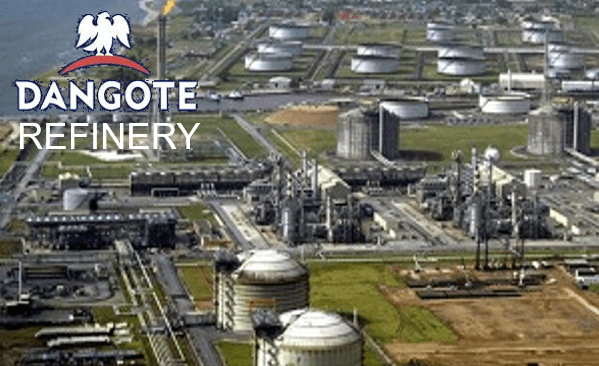
On November 25, 2025, the Dangote Group made waves by announcing a major partnership with Honeywell International, the U.S. tech giant for a mega refinery expansion. Together, they’re gearing up to supercharge the Dangote Petroleum Refinery and Petrochemicals complex in Lekki, Lagos. The plan is to More than double the refinery’s crude oil processing—jumping from 650,000 barrels a day to a staggering 1.4 million by 2028. That kind of leap would make it the world’s largest single-train refinery, even outpacing India’s massive Jamnagar facility. And they’re not stopping there. The deal also ramps up polypropylene production to 2.4 million metric tons a year and pushes urea fertilizer output to 9 million metric tons annually. With a price tag topping $250 million, the partnership taps into Honeywell’s cutting-edge tech to make the plant more efficient, handle all sorts of crude oil, and give Nigeria a real shot at energy independence. The result? No more constant fuel shortages, plenty left over for export, and a serious boost for the country’s economy.
A quick look at the Dangote Refinery itself: it’s Africa’s biggest integrated oil and petrochemical site, finally getting off the ground in early 2024 after years of construction and more than $19 billion invested. The complex sprawls across 2,500 hectares in the Lekki Free Trade Zone, designed to process 650,000 barrels of crude oil a day—most of it coming from Nigeria’s own production, which sits at around 1.5 million barrels daily. The refinery churns out gasoline, diesel, jet fuel, and a bunch of petrochemicals like polypropylene, finally giving Nigeria a way out of its deep reliance on imported fuel, even though it’s Africa’s top oil producer. Plus, it’s got a 3-million-metric-ton urea plant to help support agriculture.
Even before this new expansion, Dangote’s already been supplying as much as 70% of Nigeria’s refined fuel needs—a big step toward self-sufficiency. But there have been bumps along the way: Nigeria’s crude supply can be unreliable, and the refinery needs fresh tech to handle a bigger mix of crude types. That’s what makes this new partnership such a big deal.
Here’s how the Dangote-Honeywell deal breaks down. The agreement is with Honeywell’s UOP division, a partner that’s been in the mix since 2017. They’re rolling out a multi-phase expansion to turn the complex into a true global powerhouse. Honeywell brings in specialized catalysts, high-tech equipment, and process know-how so the refinery can handle everything from light to heavy crude, all while making the operation run smoother and cleaner.

Let’s get into the nuts and bolts:
- Refining Capacity: They’re adding another single-train processing unit. Output jumps from 650,000 to 1.4 million barrels per day by 2028. That’s enough to process almost all of Nigeria’s crude and kick off big exports.
- Polypropylene: They’ll boost production to 2.4 million metric tons a year using Honeywell’s Oleflex technology. It’s a propane dehydrogenation process that turns propane into propylene—crucial for making plastics used in packaging, cars, and consumer goods.
- Urea Fertilizer: Urea output soars from 3 million to 9 million metric tons yearly, adding four new production lines to the current two. That covers Africa’s booming fertilizer demand and helps support food security at home and abroad.
Nobody’s sharing the exact financial details, but folks in the industry peg the deal at north of $250 million, covering everything from licensing to equipment and technical support.

Honeywell’s tech is front and center in this whole thing. Their UOP division has been at it for decades, and they’re bringing in:
- Proprietary refining systems for bigger yields and lower emissions.
- Catalyst regeneration gear to stretch catalyst life and cut downtime.
- High-performance column trays and heat exchangers that make separation more efficient and let the refinery handle all kinds of crude without losing quality.
- Oleflex, which is a low-emission, cost-effective way to make propylene—already running in over 50 plants worldwide.
Honeywell’s been involved since the refinery’s earliest days, so this next phase should fit right in.
As for timing, the whole expansion is set to wrap up by 2028, rolling out in three main stages:
- By 2026: First round of equipment goes in, catalysts get installed, and they start pilot testing the polypropylene upgrades.
- 2027: They’ll launch the second refining train and expand urea production.
- 2028: The refinery ramps up to full speed—1.4 million barrels a day—and integrates the Oleflex tech across the board.
Dangote Group says they’re sticking to a “turnkey” approach, which means minimal disruption to what’s already running and a strict focus on meeting international safety and environmental standards.