FGN embarks on nationwide vaccination campaign to protect children against measles, rubella and polio
Nigeria has commenced one of its largest-ever nationwide vaccination campaigns, targeting approximately 106 million children against measles, rubella, and poliomyelitis. The integrated initiative combines multiple vaccines and essential child health services into a single effort, ensuring efficient and equitable access to life-saving interventions across the country.
Broad Coverage and Two-Phase Implementation
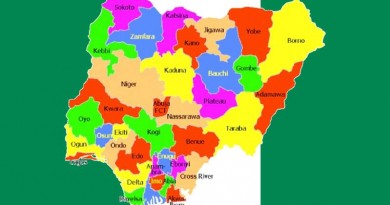
The campaign focuses on children aged 0–14 years for measles and rubella and 0–59 months for polio. It will unfold in two phases: the first phase, beginning today, covers 20 high-risk northern states along with Oyo State in the southwest; the second phase, scheduled for January 2026, will extend to the remaining southern states.
Ensuring Access to Every Child
To reach all communities, health workers will operate through fixed health posts, temporary outreach centers, and house-to-house teams, guaranteeing that children in even the most remote and underserved areas receive vaccines and essential health services.
Expanding Beyond Immunization
In addition to the measles-rubella and polio vaccines, the campaign integrates routine immunization and other key child health interventions, such as treatment for neglected tropical diseases and seasonal malaria chemoprevention in high-risk zones. This comprehensive model supports Nigeria’s Primary Health Care Under One Roof policy and aligns with the Health Campaign Effectiveness initiative to strengthen universal health coverage.

Responding to Disease Outbreaks
The initiative comes as a direct response to ongoing outbreaks of circulating variant poliovirus type 2 (cVDPV2), as well as recurrent measles and rubella cases in Nigeria and neighboring countries within the Lake Chad Basin. To contain these outbreaks, Nigeria is collaborating with Cameroon, Chad, Niger, and the Central African Republic through a cross-border strategy aimed at halting active transmission by end of 2025 and eliminating remaining risks by 2026.
Leadership Commitment
The Minister of Health and Social Welfare, Dr. Ali Pate, commended frontline health workers for their dedication, saying:
“On behalf of the government, I extend our gratitude to Nigeria’s frontline health heroes. I urge you to continue demonstrating the resilience and commitment that define your service. As a parent, I know no parent would refuse something that safeguards their child. Vaccines are safe—and they save lives.”
Building on Recent Successes
This nationwide campaign follows the success of two In-Between Round Activities carried out in 11 northern states between August and September 2025, which reached 3.1 million children with vaccines, provided nutritional support to 500,000 malnourished children, and delivered anti-malaria treatments to 150,000 children.
Global and Regional Recognition
Dr. Mohammed Janabi, WHO Regional Director for Africa, praised Nigeria’s leadership, stating:
“Nigeria’s integrated approach offers a powerful model for the continent. By uniting efforts against measles, rubella, and polio, and partnering closely with communities, we are moving toward a future where no African child suffers from preventable diseases.”
Strengthened Systems for Effective Implementation
Ahead of the rollout, Nigeria enhanced its operational systems to ensure smooth delivery. Trainers have been deployed nationwide, payment systems for frontline workers have been restructured for efficiency, and data management systems have been upgraded to improve integration, transparency, and accountability. These measures will ensure that every vaccination is recorded and every health worker adequately supported.
Introducing the Combined Measles-Rubella Vaccine
As part of this effort, Nigeria is introducing a combined measles-rubella vaccine, replacing the measles-only version. Measles remains one of the most contagious and potentially deadly childhood diseases—especially among malnourished children—while rubella poses a serious threat to unborn babies, often resulting in Congenital Rubella Syndrome (CRS) when contracted during pregnancy.
Broad Partnership for Success
The campaign is led by the Federal Government of Nigeria in collaboration with key partners including the World Health Organization (WHO), UNICEF, Gavi, the Vaccine Alliance, Rotary International, the Bill & Melinda Gates Foundation, the Africa Centres for Disease Control and Prevention (Africa CDC), as well as civil society organizations, traditional rulers, and religious leaders. Strong coordination systems have been established for financing, logistics, training, and community mobilization, ensuring that this landmark vaccination drive delivers lasting health benefits for Nigeria’s children.