Nigeria fights measles–rubella and polio with vaccination drive
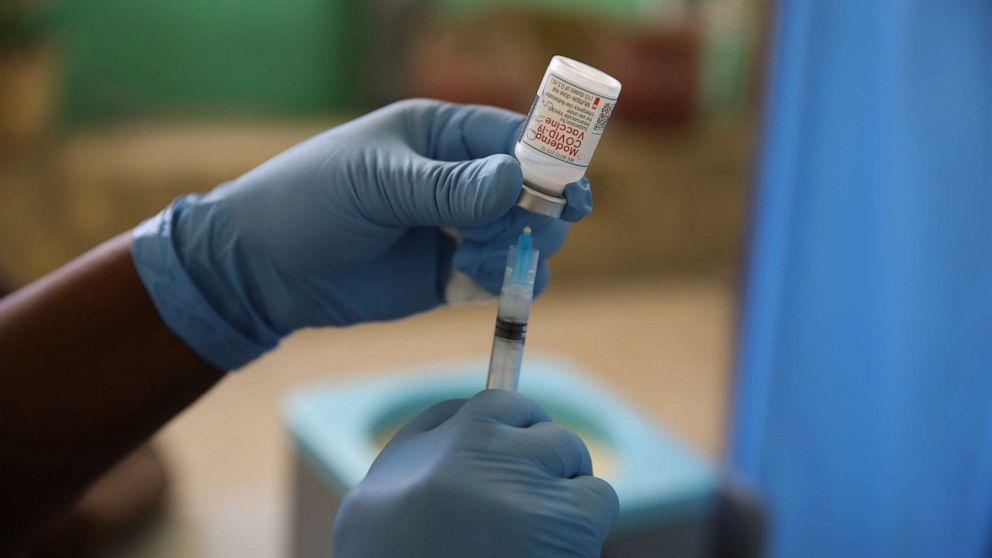
The Federal Government of Nigeria has launched a historic, nationwide integrated vaccination drive aimed at protecting over 106 million people across the 36 states and the Federal Capital Territory (FCT). This large-scale campaign brings together multiple life-saving vaccines — including measles-rubella, polio, and human papillomavirus (HPV) — to close immunity gaps and safeguard children and adolescents from preventable diseases.
The initiative is being implemented under the leadership of the National Primary Health Care Development Agency (NPHCDA), in collaboration with the World Health Organization (WHO), Gavi, the Vaccine Alliance, the Bill & Melinda Gates Foundation, UNICEF, and other development partners. It was officially launched in Abuja by Nigeria’s First Lady, Senator Oluremi Tinubu, who reaffirmed the country’s collective resolve to strengthen national health security through immunization.
In her address, the First Lady emphasized the importance of vaccination as a pillar of public health and child welfare. “This initiative reflects our united front against polio, tuberculosis, HPV, and other vaccine-preventable diseases. Every Nigerian child deserves a healthy future, free from preventable illness,” she stated.
Reaching Millions of Children and Adolescents
The 2025 Integrated Measles–Rubella and Polio Campaign is one of the most comprehensive vaccination efforts in Nigeria’s history. It targets children aged 9 months to 14 years for measles and rubella immunization, and children under five years old (0–59 months) for the novel oral polio vaccine (nOPV2). In addition to these vaccines, the campaign includes malaria chemoprevention for children aged 3–59 months, treatment for neglected tropical diseases (NTDs) for individuals aged 5 years and above, and HPV vaccines for girls aged 9 years to protect against cervical cancer.
According to the Coordinating Minister of Health and Social Welfare, Professor Muhammad Ali Pate, this integrated approach represents a turning point in Nigeria’s public health system. “The scale and scope of this campaign demonstrate what strong leadership and strategic partnerships can achieve. Our goal is to ensure that every child, regardless of location, receives protection,” Professor Pate said.

Vaccination as a Foundation for Education and Development
Minister of Education, Dr. Tunji Alausa, represented by Mr. Peters, noted that the initiative transcends public health and directly supports national development goals. “By protecting our children from diseases that keep them out of school, we are investing in their education, productivity, and the future of our nation,” he remarked.
Similarly, Senator Ipalibo Harry-Balingo, Chairman of the Senate Committee on Health, praised the integration of immunization with other essential health interventions such as malaria and NTD prevention. She observed that “linking multiple health services in one campaign not only strengthens routine immunization but also enhances Nigeria’s preparedness against future health emergencies.”
A United Front for Health Security
The Abuja flag-off ceremony brought together a wide coalition of stakeholders, reflecting the shared responsibility of improving immunization coverage. Attendees included representatives from Gavi, UNICEF, the Gates Foundation, civil society organizations, development partners, and State Primary Health Care Boards, alongside lawmakers and health professionals.
Traditional and religious leaders also reaffirmed their support, pledging to mobilize communities for full participation. Among those in attendance were the Sultan of Sokoto, Alhaji Sa’ad Abubakar III, the Ooni of Ife, Oba Adeyeye Enitan Ogunwusi, and the President of the Christian Association of Nigeria (CAN). Their presence underscored the importance of trust and community engagement in sustaining vaccine uptake.
Representing the World Health Organization, Dr. Alex Chimbaru, Deputy Country Representative, commended Nigeria’s proactive leadership in disease prevention. “This campaign embodies national commitment and collective action. Protecting every child—no matter how remote their location—builds the foundation for stronger health systems and a safer Africa,” he said.
WHO’s Technical and Logistical Support
To ensure effective execution, WHO provided extensive technical and operational assistance during every stage of the campaign. The organization helped develop training manuals, data collection tools, and activity guides, while also facilitating training-of-trainers workshops at national, state, and ward levels.
Additionally, WHO deployed a technical assistant in each state to oversee implementation and coordinate with State Primary Health Care Boards. Experts from WHO’s Country Office, Regional Office for Africa, and Headquarters are monitoring progress in real time to provide on-the-ground technical feedback and ensure data-driven solutions to emerging challenges. This proactive involvement ensures that implementation remains efficient, transparent, and adaptive to local realities.
Phased Implementation Across the Country
The nationwide campaign is structured to unfold in two phases and four streams over a 10-day vaccination period, followed by a two-day mop-up to reach missed populations.
Phase One, which includes Nigeria’s northern states and Oyo State, will combine the administration of measles–rubella and polio vaccines in October 2025. States like Kano, Yobe, and Oyo will further integrate interventions for NTDs and malaria prevention within the same campaign.
Phase Two, covering southern states, will focus primarily on measles–rubella vaccination and is scheduled for early 2026. Alongside the campaign, other routine immunization antigens will be provided in zero-dose Local Government Areas (LGAs)—regions where children have not received any vaccine doses.
Advancing Universal Health Coverage
The integrated vaccination campaign reflects Nigeria’s ongoing commitment to the Immunization Agenda 2030 (IA2030) and Universal Health Coverage (UHC). By aligning with global immunization goals, the government aims to strengthen national health resilience, reduce mortality from preventable diseases, and improve overall population wellbeing.
The comprehensive strategy also contributes to Nigeria’s broader National Health Sector Renewal Investment Programme (NHSRIP), which prioritizes equitable access to essential health services and sustainable financing for public health.
As Professor Pate emphasized, “No child should die from a preventable disease. Our collective responsibility is to reach every family, every community, and every ward with the protection that vaccines offer.”
This nationwide effort not only represents a milestone in Nigeria’s fight against infectious diseases but also sets a benchmark for regional health security in Africa. Through sustained political will, technical collaboration, and community mobilization, the country moves closer to a future where every child is protected and no one is left behind.