IMF adjusts Nigeria’s economic growth projections by 0.4%
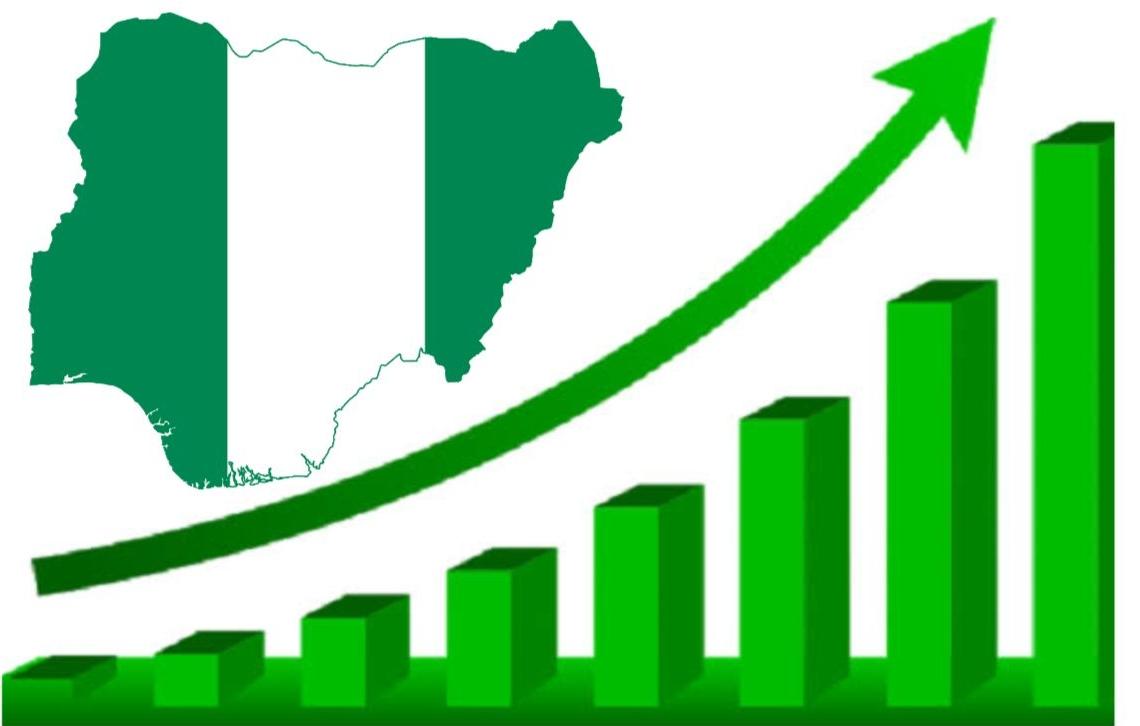
The International Monetary Fund (IMF), in its July World Economic Outlook Update report, revised Nigeria’s economic growth projections for 2025 to 3.4%. This is a 0.4 percentage point increase from the 3.0% recorded in April’s outlook.
Nigeria is also expected to maintain a steady growth rate, as projections for 2026 stand at 3.2%, an increase of 0.5 percentage points from the 2.7% recorded in April’s outlook. Despite the improved outlook, Nigeria’s projected growth rate remains below the regional average for Sub-Saharan Africa, which is projected to expand to 4.0% in 2025 and to 4.3% in 2026.
However, the improved projections could have resulted from a generally improved global outlook; global growth was projected at 3.0% in 2025, up by 0.2 percentage points from the forecast in the previous report of April 2025, and 0.1 percentage points higher at 3.1% in 2026.
The improved global projections were due to several factors, including the weakening of the US dollar and lower-than-expected US tariffs, which made borrowing and trading in US dollars easier. These projections reveal that for Nigeria, growth is positive but remains modest, and a growth rate below the regional average means that Nigeria risks falling behind other African countries in attracting investments.
Furthermore, the improved global growth projection does not signify strength and implies that Nigeria could still be vulnerable to global shocks.
Therefore, there is a need to strengthen domestic growth by boosting investments in productive sectors, such as manufacturing, agriculture, and digital services, while also prioritising structural reforms that enhance competitiveness, attract private investment, and reduce overreliance on external conditions.